
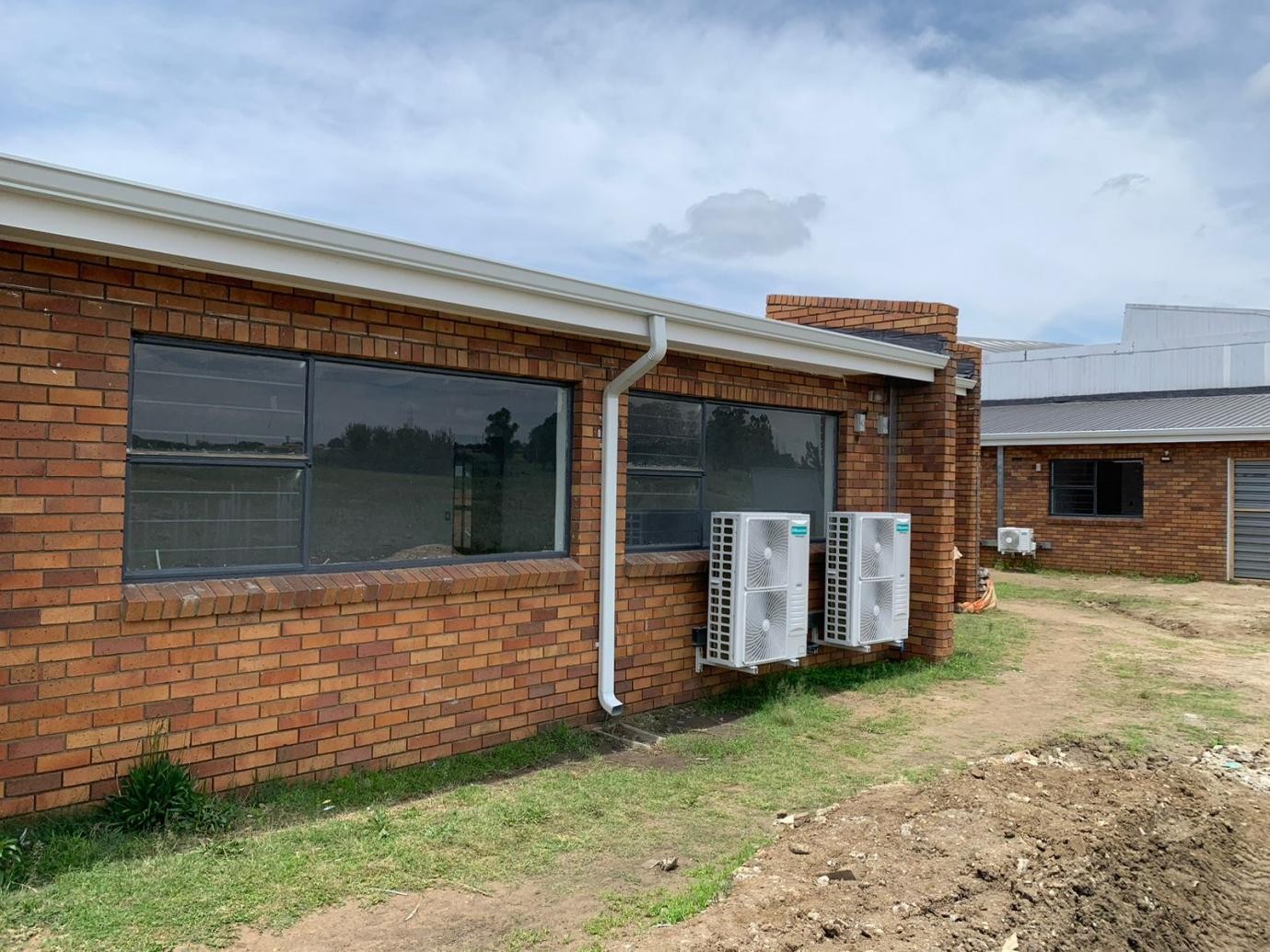
Handling roof rainwater properly becomes a massive challenge when the big seasonal storms suddenly roll into town. You look outside and see mud washing all over your clean driveway because the old roof channels are totally warped or blocked up. Ordering specialist gutter and downpipe installation ensures that your property has the proper capacity to handle heavy tropical rain with overflow outside. Most humans don’t even bother to look up at the edges of the roof until dark, moist patches start appearing on the roof. It makes a lot of practical sense to choose thick metal materials that will not sag under intense sun.
Handling Inverted Flat Roof Setups Safely
When dealing with a modern flat roof or a large commercial structure, a standard hanging pipe simply will not cut it. A proper box gutter installation involves placing the rectangular drainage channels deep into the actual roofline structure so they sit completely flush. If the builder makes these internal collection troughs too narrow, the water will back up under your tiles during a sudden cloudburst. You need to line these heavy rectangular channels with thick waterproof membranes to stop hidden leaks from rotting your structural timber beams. Keeping these internal systems wide and clear prevents massive indoor flooding disasters.
Fitting Wide Vertical Exit Pipes Right
You need to plot the exact location of your downpipes before you start screwing anything into your wood fascia pallets. A lightweight gutter and downpipe installation requires a distinct slope that points toward the go-out tracks so stagnant water cannot form puddles. If water sits inside the metallic tracks for weeks, the sheer weight will slowly pull the brackets away from your walls. Choosing wide vertical tubes ensures that stray leaves and small twigs can flush all the way down without creating a stubborn clog. Adding splash blocks at the bottom disperses the heavy force of the water so your garden topsoil stays intact.
Stopping Serious Concrete Foundation Damage
When huge volumes of storm water pour directly off a roof line, the liquid pools quickly around your concrete foundation footings. This constant moisture saturation can create deep, expensive soil erosion cracks that threaten your entire structural integrity over time. A professional box gutter installation helps you avoid these scary maintenance headaches by routing the fast-flowing runoff far away from your main walls. You want the heavy roof water to exit at least two meters away from your main structure so the underlying soil stays firm. Keeping the perimeter dry prevents basement flooding issues and stops mould from creeping up through your floorboards.
Mounting Heavy-Duty Fasteners for High Winds
You have to make sure your hanging brackets are anchored deeply into the main structural masonry of the building. Inexpensive installations often cut corners using weathered iron nails that effortlessly bounce out of the wet wood again after a few seasons. Look for heavy-duty chrome steel screws that lock tightly onto your main rafter tails for optimal wind resistance. This stops the whole metal line from rattling like crazy when stormy gusts try to rip things off your house edges. Cleaning out the fine silt once a year ensures the tracks stay clear for the next big cloudburst.
Conclusion
Managing heavy seasonal storm water requires durable building materials and a clean layout plan that matches your specific property shape perfectly. Exploring the various protective options available on Premiumgutters.co.za will help you understand how professional upgrades protect your investment over the long haul. Investing in heavy-duty components prevents the regular frustration of dealing with leaky seams and sagging brackets after every minor weather event. Making your exterior plumbing completely comprehensive protects your foundation concrete slabs and prevents moisture from suddenly ruining your indoor living spaces. If you need to secure your property with top-notch drainage products that can withstand any storm, contact our technical team to schedule an on-site inspection these days.