
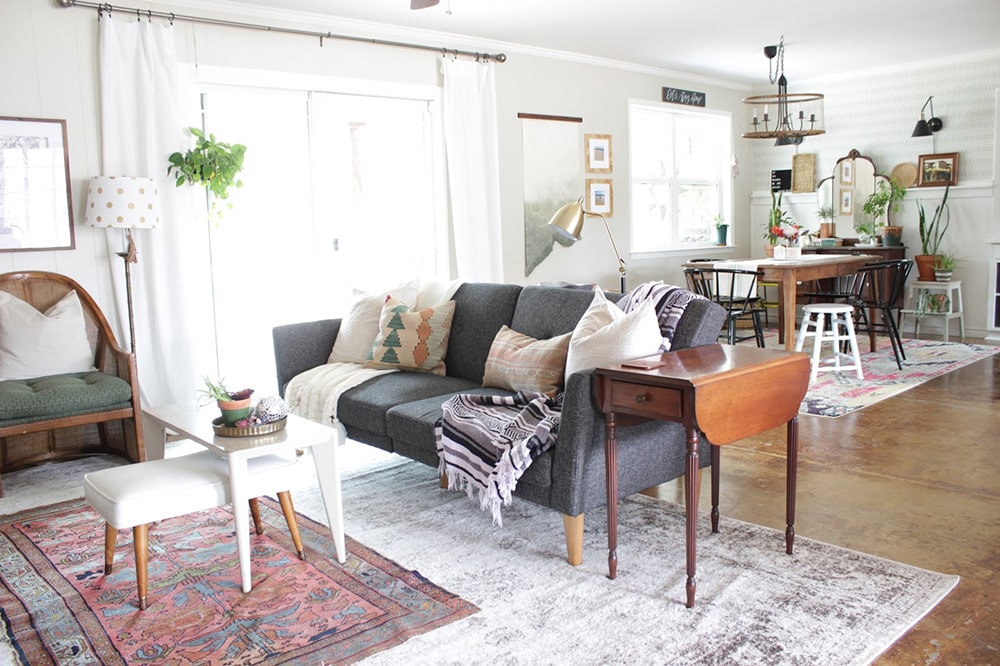
Transitional rugs blend traditional patterns with modern aesthetics, making them one of the most versatile flooring choices for any home. They work across multiple interior styles, suit a range of color palettes, and hold their visual appeal for years—making them a smart, long-term investment for any room.
Most people settle on a style for their home and then feel stuck with it. Go too traditional, and the space can feel dated. Go too modern, and it can feel cold. Transitional rugs offer a way out of that trap.
These rugs sit at the intersection of classic and contemporary design. They carry the structure of traditional patterns without the heaviness, and the clean lines of modern design without the starkness. The result? A floor covering that fits comfortably in almost any room, regardless of what surrounds it.
This post walks you through what makes a rug transitional, why they’re worth considering, how to use them effectively in your home, and where to find quality options—including premium handmade rugs in India that are built to last.
What Makes a Rug “Transitional”?
Transitional rugs draw from two design worlds at once. Traditional rugs—think Persian, Oriental, or Oushak styles—are defined by intricate patterns, rich colors, and detailed borders. Modern rugs tend to favor geometry, negative space, and a restrained color palette. Transitional rugs take the best of both.
Practically, this means:
-
Softened patterns: Traditional motifs are present but simplified—less ornate, less dense.
-
Muted or neutral palettes: Colors like ivory, taupe, soft grey, dusty blue, and warm beige replace the saturated tones found in classical styles.
-
Flexible borders: Some have borders, some don’t. When they do, they’re subtle rather than dominant.
-
Balanced texture: Not too flat, not too plush—transitional rugs typically have a medium pile that feels comfortable underfoot without overpowering the room.
Because of these qualities, transitional rugs slot naturally into a wide range of interiors—from mid-century modern apartments to traditionally furnished family homes.
Why Choose Transitional Rugs for Your Home?
They adapt to changing decor
Most homeowners redecorate every few years. A transitional rug survives those changes far better than a rug that’s tied to one specific aesthetic. Swap your furniture, repaint your walls, update your cushions—your rug will still work.
They age well
Trends come and go quickly. A highly stylized rug that looks cutting-edge today can feel out of place in five years. Transitional rugs carry a timeless quality. Their design language doesn’t date as fast because it’s already rooted in the past while gesturing toward the present.
They soften modern spaces
All-modern interiors—polished concrete, minimal furniture, neutral walls—can feel stark and unwelcoming. A transitional rug introduces warmth and visual interest without clashing with the surrounding design.
They update traditional spaces
On the flip side, a home full of antique furniture and heavy drapes can feel like a museum. A transitional rug brings a lighter energy to the room, making the space feel lived-in and current without requiring a full remodel.
How to Integrate Transitional Rugs Into Your Decor
Choosing the right size
Size is the most common mistake people make with rugs. A rug that’s too small makes a room feel disconnected. As a general rule:
-
Living room: All key furniture legs should sit on the rug, or at least the front legs of sofas and chairs.
-
Bedroom: The rug should extend at least 18–24 inches beyond the sides and foot of the bed.
-
Dining room: The rug should be large enough that chairs remain on it even when pulled out from the table.
Choosing the right color
Start with the room’s existing palette. If your walls and furniture are warm-toned (creams, tans, terracottas), choose a rug with warm undertones. For cooler rooms with greys, whites, or blues, a rug with cooler neutrals or a subtle cool accent color will feel more cohesive.
Transitional rugs rarely have one dominant color. Look for rugs where the colors blend softly—this gives you more flexibility when accessorizing the room.
Room-by-room placement
-
Living room: A transitional rug anchors a seating area and sets the visual tone for the entire space. Medallion-style patterns with a modern color palette work particularly well here.
-
Bedroom: A soft, low-pile transitional rug adds warmth underfoot without competing with your bedding or furniture.
-
Dining room: Opt for a flat-weave or low-pile transitional rug here—easier to clean and more practical under a dining table.
-
Home office: A subtle transitional rug adds personality to a functional space without becoming a distraction.
Where to Find Quality Transitional Rugs
What to look for when you buy rugs online
The ability to buy rugs online has made the market far more accessible. You’re no longer limited to what’s available locally. That said, buying a rug without seeing it in person requires careful attention to a few key details:
-
Material: Wool, silk, and wool-silk blends are the gold standard for durability and feel. Synthetic rugs cost less upfront but wear out faster and don’t age as gracefully.
-
Construction: Hand-knotted and hand-tufted rugs hold their shape longer than machine-made alternatives. Knot density matters—higher knot counts typically indicate finer detail and greater durability.
-
Return policy: Even with good photography, colors and textures can vary. A trustworthy retailer will offer a fair return window.
-
Customer reviews and photos: Look for brands that publish genuine customer photos, not just professional shots. Real-world images tell you how the rug actually performs in a home.
The Craftsmanship Behind Premium Handmade Rugs in India
When it comes to transitional rugs, sourcing matters as much as design.
India—and Bhadohi in particular—sits at the center of the global handmade rug industry. Often called the “Carpet City” of Asia, Bhadohi has produced hand-knotted and hand-tufted rugs for centuries. The region’s weavers carry generational knowledge of materials, dyeing techniques, and knotting methods that simply can’t be replicated by machines.
Premium handmade rugs in India produced in this region go through a painstaking process. A single medium-sized hand-knotted rug can take several months to complete, with skilled artisans tying thousands of individual knots by hand to build up a pattern row by row. The result is a product with genuine structural integrity—one that, with proper care, can last decades.
The Ambiente, a rug atelier based in Bhadohi and founded by Avani Khandelwal, is one example of a brand that ties modern design directly to this tradition. Backed by over 30 years of manufacturing expertise through its parent company Bhadohi Carpets, The Ambiente works with a network of more than 4,000 artisans—the majority of them women—to produce handcrafted silk and wool rugs for homes across India and internationally. Their collections include both ready-to-ship and bespoke options, making it easier for buyers to find or commission a transitional rug that suits their specific space.
Choosing a handmade rug from an established source like this isn’t just an aesthetic decision—it supports a sustainable supply chain and ensures the quality of what arrives at your door.
A Foundation for Every Style
Transitional rugs don’t demand attention. They earn it quietly—by making every other element in a room look more intentional, more balanced, more considered.
They suit traditional homes, modern homes, and every hybrid in between. They handle changing decor without complaint. And when made by skilled hands from quality materials, they stay beautiful long after trend-driven alternatives have worn out their welcome.
If you’re looking to ground a room without locking it into a single style, a transitional rug is a practical and lasting choice. Whether you plan to buy rugs online or visit a showroom in person, focus on material quality, construction method, and provenance. A well-made handmade rug—especially premium handmade rugs in India from regions like Bhadohi—is the kind of investment that pays off every time you walk through the door.
Frequently Asked Questions About Transitional Rugs
What is a transitional rug?
A transitional rug combines elements of traditional and modern design—simplified patterns, neutral or muted colors, and versatile proportions. The result is a rug that works across multiple interior styles without clashing with existing decor.
How do transitional rugs differ from traditional or modern rugs?
Traditional rugs feature intricate, dense patterns and rich colors. Modern rugs tend to be minimal and geometric. Transitional rugs borrow from both—retaining some pattern and structure while stripping back the detail and softening the palette. This makes them more flexible in a wider range of rooms.
What size transitional rug should I choose for my living room?
For most living rooms, aim for a rug large enough that the front legs of all key seating pieces rest on it. A rug that’s too small will make the seating area look disconnected. Common sizes for living rooms range from 8×10 feet to 10×14 feet, depending on the room’s dimensions.
Are handmade rugs worth the higher price?
Yes, for most buyers. Hand-knotted and hand-tufted rugs last significantly longer than machine-made options, often 20–30 years or more with proper care. The per-year cost tends to be lower when factored over the rug’s full lifespan, and the material quality and craftsmanship are generally far superior.
What should I look for when I buy rugs online?
Check the material (wool and silk age best), construction method (hand-knotted over machine-made), knot density, and the retailer’s return policy. Look for brands that show real customer photos alongside professional images, and verify whether the rug ships with a care guide.
Why are handmade rugs from India considered high quality?
India—particularly Bhadohi in Uttar Pradesh—has been a center of carpet weaving for hundreds of years. Artisans in this region carry deep generational knowledge of hand-knotting, natural dyeing, and material selection. Premium handmade rugs in India from this region are recognized globally for their craftsmanship and durability.