
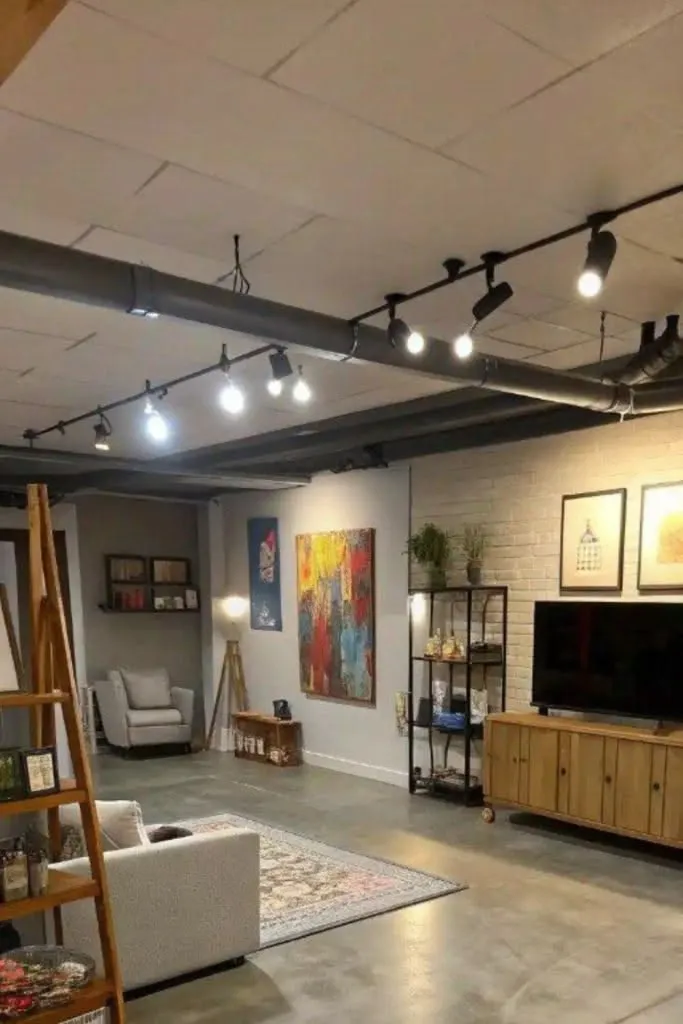
A basement studio can accommodate activities that do not fit comfortably into a kitchen or living room. Painting, sewing, model building, and small creative projects all bring different demands to the floor, from moving chairs to occasional spills. Homeowners considering decorative epoxy flooring should begin by examining the actual space rather than selecting a dramatic finish from a photograph. Lighting, concrete moisture, storage arrangements, and cleaning habits influence whether a coating is suitable. Planning around the intended work helps make a creative room comfortable, attractive, and easier to maintain.
Start With the Activities, Not the Colour
A painter may need washable flooring near an easel, while someone building models might regularly move rolling stools and supply carts. A sewing studio may prioritize comfort underfoot and space for cutting tables. Write down the activities before deciding how the room should look.
Separate tasks that involve liquids from dry storage and seating. If a room will be occupied for long periods, heating, ventilation, and lighting deserve attention beyond the floor itself.
Investigate the Basement Slab Carefully
Basements sometimes show damp patches, old adhesive marks, or cracks that were hidden beneath carpet. Coatings need appropriate substrate conditions, and a newly finished surface cannot resolve a foundation leak or persistent water entry. Address these concerns before ordering materials.
An installer may recommend moisture testing, mechanical grinding, and repairs suited to the chosen system. Surface appearance alone cannot confirm that concrete is ready for resin.
Use Pattern to Support the Room
An understated flake blend can disguise minor visual marks, while metallic designs create a more pronounced decorative feature. Consider whether the floor should attract attention or remain a neutral background for artwork, materials, and furniture.
Professional flake epoxy flooring systems use decorative chips within a compatible resin assembly, finished with a suitable topcoat. The final texture influences both cleaning and traction. Review samples in the basement’s actual lighting, which may differ considerably from the bright setting of a showroom.
Plan the Layout Before Installation
Measure the room with tables and storage units in position, allowing space to move between them. Think about access to electrical panels, plumbing, and any floor drains.
Before booking the work, check:
-
Whether water has entered the basement previously.
-
Which tables or machines need protective feet.
-
Where paint, adhesives, or cleaning liquids will be used.
-
Whether the chosen texture suits rolling furniture.
-
How equipment will be moved out during installation.
These decisions help keep the project scope clear.
Choose Finishes Around Real Cleanup Needs
Different hobbies involve different spills. Water-based craft paint may clean up easily when fresh, but solvents, resins, and strong cleaners can affect protective topcoats. Ask the installer for chemical compatibility guidance rather than assuming that all epoxy floors resist all products.
For messy work, use sacrificial mats or bench coverings. A decorative finish protects suitable concrete but is not a replacement for safe handling of craft chemicals.
Coordinate the Work With Daily Life
Basement renovations can interrupt laundry access, storage, and family routines. Empty the floor before grinding and confirm how dust will be contained near other rooms. The installer should specify ventilation arrangements and when the area may safely return to normal use.
Curing instructions are especially important before returning heavy shelving or rolling furniture. A surface that feels dry may still need time before it can carry normal loads. Plan alternate space for supplies rather than moving everything back immediately after the final coat.
Make the Studio Adaptable Over Time
Creative interests change. Adjustable shelves, movable worktables, and modest wall colours can allow the room to shift from one hobby to another without another flooring project. Inspect high-use areas periodically, especially beneath rolling seats and near workstations. If damage appears, ask the contractor about compatible local repairs.
Conclusion
Creating a functional basement studio requires thoughtful decisions about flooring, lighting, storage, and everyday activities. Decorative epoxy systems can offer an attractive, easy-to-maintain surface when installed over properly prepared concrete. Homeowners should consider moisture conditions, surface texture, and maintenance requirements before choosing a finish.
A well-planned space can support creative hobbies while remaining comfortable and adaptable as household needs change. Homeowners across Toronto and Southern Ontario can explore decorative residential flooring options through quickfxepoxy.ca when planning practical improvements for their basement studios.