
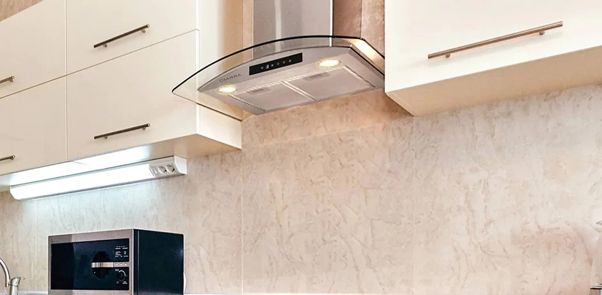
A kitchen is more than just a place to prepare meals. It is the heart of the home, where delicious recipes come to life, family members gather, and everyday moments become special memories. However, cooking can also produce smoke, grease, steam, unpleasant odors, and airborne particles that affect the overall kitchen environment. This is where a high-quality range hood becomes an essential part of a modern kitchen. Designed to improve ventilation, protect kitchen surfaces, and create a more comfortable cooking space, this appliance combines practical performance with attractive design.
Whether you are renovating your kitchen, upgrading old appliances, or designing a brand-new cooking area, choosing the right ventilation system can make a noticeable difference. Understanding its features, benefits, and available styles will help you find an option that complements your kitchen while supporting a cleaner and healthier environment.
Why Every Modern Kitchen Needs Proper Ventilation
Cooking releases more than delicious aromas. Frying, grilling, boiling, and sautéing can send grease particles, moisture, smoke, and odors into the surrounding air. Without effective ventilation, these substances may accumulate on cabinets, countertops, walls, and ceilings.
A properly selected ventilation system helps capture and remove these airborne contaminants. It can make the kitchen more comfortable, particularly when preparing meals that involve high temperatures, strong spices, or excessive oil.
Another important advantage is improved air circulation. When smoke and cooking odors are managed effectively, the kitchen feels fresher and more pleasant. This is especially valuable in smaller homes, apartments, and open-plan living spaces where cooking smells can travel into dining and living areas.
Understanding How a Range Hood Works
Although kitchen ventilation appliances come in different shapes and sizes, their basic purpose remains similar. They use a fan to draw in smoke, steam, grease, and cooking odors from the area above the cooktop.
The captured air passes through filters that help trap grease and other particles. Depending on the ventilation design, the air may then travel through ductwork and exit outdoors or pass through additional filtration before returning to the kitchen.
There are two primary ventilation configurations:
Ducted Ventilation
Ducted systems transport cooking fumes outside the home through an exhaust duct. They are often preferred because they remove unwanted air rather than simply filtering and recirculating it. However, installation requires suitable ductwork and an appropriate route to an exterior wall or roof.
Ductless Ventilation
Ductless systems use filters, often including activated carbon filters, to help reduce odors and capture grease. The filtered air is then released back into the kitchen. These systems are useful in apartments and homes where installing external ductwork is difficult or impractical.
Understanding these differences is the first step toward choosing an appliance that suits your kitchen layout and ventilation requirements.
Popular Range Hood Styles for Every Kitchen
Kitchen appliances should provide excellent functionality without compromising the overall appearance of the space. Fortunately, modern ventilation products are available in numerous designs, making it easier to find an option that matches your interior.
1. Wall-Mounted Designs
Wall-mounted models are installed directly above a cooking surface positioned against a wall. They often feature stainless steel finishes, elegant glass panels, and contemporary shapes.
These designs can become an attractive focal point while providing effective ventilation. They are particularly suitable for kitchens where the cooking area is positioned along a main wall.
2. Under-Cabinet Models
Under-cabinet ventilation appliances are designed to fit beneath existing kitchen cabinets. Their compact construction makes them a practical choice for kitchens where space is limited.
They can provide useful ventilation without requiring a major change to the kitchen layout. Many models also include built-in lighting and multiple fan-speed settings.
3. Island Ventilation Designs
For kitchens with a central cooking island, ceiling-mounted ventilation systems offer both functionality and visual appeal.
These models are suspended above the island and are designed to capture cooking fumes from an open cooking area. Their installation requires careful planning to ensure suitable ceiling support and ventilation connections.
4. Insert and Built-In Models
Built-in inserts are designed to blend into custom cabinetry. They are ideal for homeowners who prefer a minimalist kitchen with fewer visible appliances.
Their concealed appearance allows cabinets and other design elements to remain the main focus.
Important Features to Consider Before Buying
Choosing a ventilation appliance should involve more than comparing appearance and price. Several technical features influence its performance, convenience, and long-term value.
Airflow Capacity
Airflow capacity is commonly measured in cubic feet per minute (CFM). It indicates how much air the fan can move within one minute.
The appropriate airflow level depends on factors such as cooktop size, cooking habits, kitchen layout, and installation requirements. Heavy cooking may require greater ventilation capacity than occasional light meal preparation.
However, selecting the highest CFM rating is not always necessary. The goal is to find a balanced system that suits your cooking environment.
Noise Levels
A powerful fan is useful, but excessive operating noise can make cooking uncomfortable. Look for models that provide multiple fan speeds and clearly list their noise ratings.
Some modern appliances feature improved motor designs that help reduce noise while maintaining useful airflow.
Filter Quality
Filters play an important role in capturing grease and reducing unwanted particles. Stainless steel and aluminum mesh filters are common options because they can often be removed for cleaning.
Ductless systems may also use activated carbon filters to help absorb cooking odors. Always check whether replacement filters are readily available and how frequently they need to be changed.
Lighting Options
Good lighting makes food preparation easier and safer. Many modern models include LED lights that illuminate the cooking surface.
LED lighting is particularly attractive because it generally consumes less electricity than traditional lighting while providing clear visibility.
Fan Speed Settings
Different cooking methods produce different amounts of smoke and steam. Multiple fan speeds allow users to adjust ventilation according to their needs.
A lower setting may be sufficient for boiling or simmering, while frying and high-temperature cooking may require stronger extraction.
The Importance of Choosing the Right Size
Size is another essential consideration when selecting kitchen ventilation equipment. Ideally, the appliance should be at least as wide as the cooking surface to help capture rising smoke and grease effectively.
For example, a ventilation unit that is too narrow may struggle to capture fumes escaping from the sides of a larger cooktop.
Before purchasing, measure the available installation area carefully. Consider cabinet dimensions, ceiling height, cooking surface width, and the manufacturer’s recommended mounting distance.
Following the installation instructions is equally important. Incorrect positioning can reduce effectiveness and may create safety concerns.
How a Range Hood Helps Keep Your Kitchen Cleaner
One of the biggest benefits of proper kitchen ventilation is its contribution to cleanliness.
Cooking grease can gradually settle on nearby surfaces, creating sticky layers that become difficult to remove. Smoke and airborne particles can also contribute to unpleasant smells and residue around cooking areas.
An effective ventilation system helps capture some of these particles before they spread throughout the room.
This can mean less frequent deep cleaning around cabinets, walls, and surrounding appliances. It also helps maintain a more comfortable atmosphere when preparing meals regularly.
However, ventilation does not eliminate the need for normal kitchen cleaning. Filters, cooktops, countertops, and other surfaces still require regular maintenance.
Cleaning and Maintenance Tips for Better Performance
Even an excellent appliance needs proper care to maintain its performance. Over time, grease and cooking residue can accumulate inside filters and affect airflow.
Here are some practical maintenance tips:
● Clean grease filters regularly: Follow the manufacturer’s instructions and wash removable filters as recommended.
● Replace carbon filters: Ductless systems typically require periodic carbon-filter replacement to maintain odor-reduction performance.
● Wipe the exterior: Use a suitable cleaning solution to remove fingerprints, dust, and grease from stainless steel or glass surfaces.
● Check the fan: Listen for unusual noises and arrange servicing if the motor develops problems.
● Inspect ductwork: For ducted systems, check for obstructions and ensure that the exhaust pathway remains clear.
● Use the appliance correctly: Turn it on before cooking and allow it to continue running briefly afterward to help clear remaining fumes.
A consistent maintenance routine can support reliable operation and extend the useful life of your appliance.
Energy Efficiency and Modern Kitchen Technology
Energy efficiency is becoming increasingly important for homeowners. Modern kitchen appliances are designed with features that improve convenience while helping manage electricity consumption.
LED lighting, efficient motors, automatic controls, and adjustable fan speeds can contribute to more practical everyday operation.
Some advanced models also include touch controls, timer functions, remote controls, and automatic sensor technology. These features can make ventilation easier to manage without requiring constant manual adjustments.
When comparing products, consider overall efficiency, replacement-filter costs, warranty coverage, and expected maintenance requirements rather than focusing exclusively on the initial purchase price.
Matching Kitchen Ventilation With Your Interior Design
A well-designed kitchen combines functionality with visual harmony. Your ventilation appliance should complement the cabinets, countertops, backsplash, lighting, and other kitchen finishes.
Stainless steel remains a popular choice because it offers a clean, contemporary appearance and works well with many appliance styles. Black finishes can create a bold modern statement, while glass designs add a lighter and more sophisticated look.
For traditional interiors, concealed models can maintain a classic appearance without introducing unnecessary visual elements.
Think about the overall atmosphere you want to create. A carefully selected appliance can improve the appearance of your cooking space while providing an important everyday function.
Common Mistakes to Avoid When Buying
Even attractive appliances may disappoint when they are selected without considering practical requirements.
One common mistake is purchasing a model based only on its appearance. Design matters, but airflow capacity, filtration, noise, and installation compatibility are equally important.
Another mistake is ignoring filter replacement costs. Ductless systems, in particular, may require regular carbon-filter replacements.
Homeowners should also avoid assuming that every ventilation system can be installed in every kitchen. Some models require ductwork, electrical connections, or specific mounting arrangements.
Finally, do not overlook manufacturer support. A reliable warranty, accessible replacement parts, and clear installation instructions can make ownership considerably easier.
Conclusion
A well-chosen ventilation appliance can transform the everyday cooking experience by helping control smoke, grease, steam, and unwanted odors. From compact under-cabinet designs to sophisticated island installations, there are options for almost every kitchen size, layout, and decorating style. By considering airflow capacity, filter quality, noise levels, energy efficiency, installation requirements, and maintenance, you can make a confident purchasing decision that delivers lasting value. Whether you are upgrading your cooking space or exploring complementary appliances such as the ciarra nosh oven, investing in practical, thoughtfully designed kitchen equipment is a smart way to create a cleaner, more comfortable, and more enjoyable home.