

Bedrooms rarely function in the same way. Some are used only at the start and end of the day. Others tend to hold more of your time, whether that’s reading, unwinding, or simply pausing between things.
That difference changes what the space needs. It’s also why choosing the same approach for all rugs for bedroom settings doesn’t quite work. The better starting point is the room itself, how it’s used, how much of it is actually lived in, and what would make it feel more comfortable over time.
Once that becomes clear, the choice of bedroom rug usually follows more naturally.
Kids’ Bedrooms Need a Bit More Freedom
Kids don’t use a room in one fixed way. It shifts through the day. Sleep, play, sitting on the floor, sometimes all of it in the same space. Because of that, bedroom rugs here need to be easy to live with. Soft enough, but not too delicate. Something that doesn’t need too much attention.
A slightly textured room carpet works well. It gives comfort, but also becomes part of how the room is used, not just how it looks. It helps if it can handle a bit (sometimes a lot) of movement.
A Couple’s Bedroom Usually Feels More Settled
This space tends to lean calmer. Not overly styled, but not left empty either. Just enough to feel complete at the end of the day. A carpet for bedroom settings here works best when it stays in the background. Softer tones, quieter textures, something that doesn’t pull focus.
Placement does more work than design. A rug that extends slightly beyond the bed makes mornings easier. Even a simple bedside carpet on either side can be enough. It’s more about comfort than anything else.
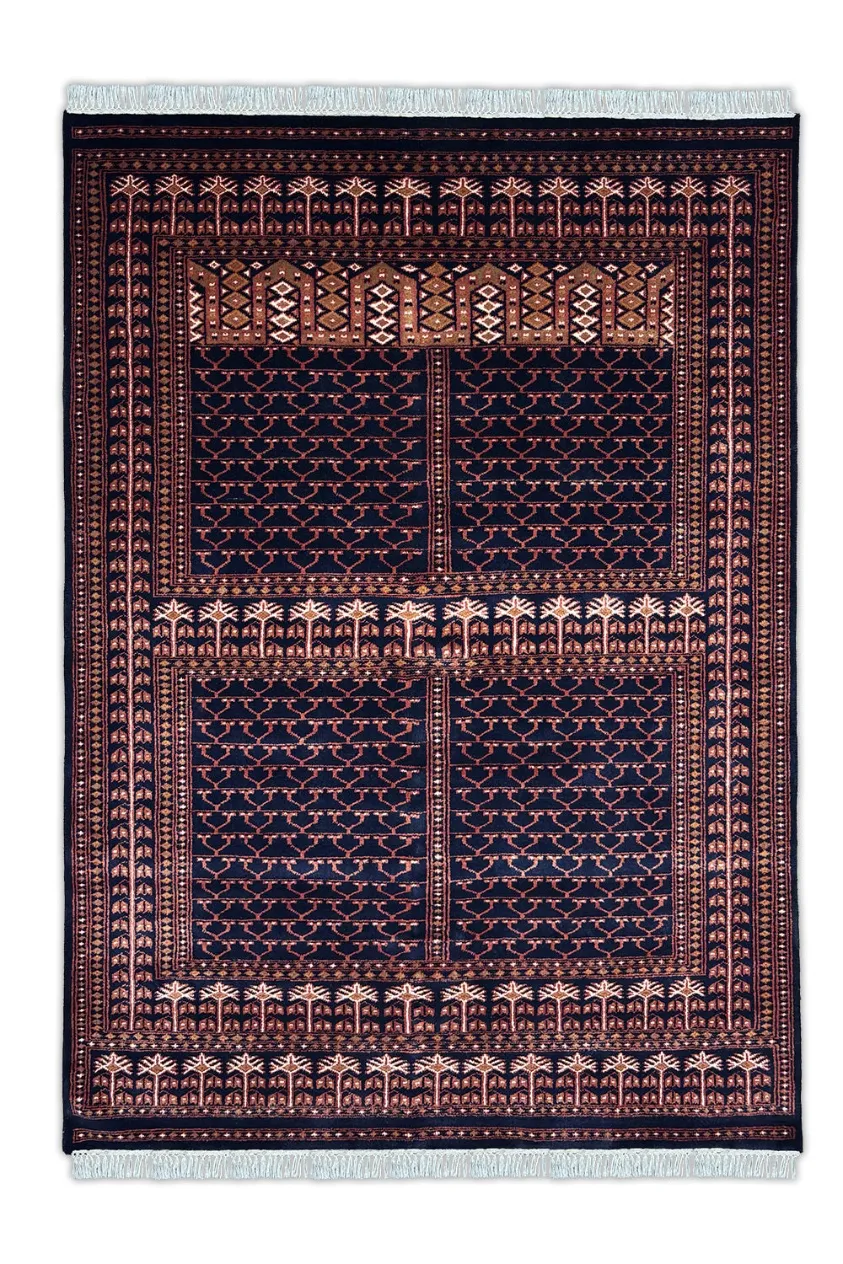
A Single Bedroom Tends to Be More Lived In
A single bedroom often ends up doing more. It’s not always just a place to sleep. You end up using it through the day as well. Sitting for a bit, reading, or just spending time there without really thinking about it.
So the bedroom carpet here can help shape that. Instead of covering everything, it can define a part of the room. Near the bed, or slightly off to one side. It breaks the space just enough so it doesn’t feel like one continuous area.
This is also where choices feel a bit more personal. Sometimes it stays simple. Sometimes it leans a bit more expressive. It usually comes down to how the room is used through the day.
Guest Bedrooms Are Less About Style, More About Ease
Guest rooms don’t need to reflect one person. They just need to feel comfortable when someone walks in. A softer carpet for bedroom spaces works well here. Nothing too bold. Nothing too plain either.
Neutral tones usually sit better. They work across different setups and don’t feel too specific. A bedside rug is a small addition, but it helps the room feel complete. You might not notice it right away, but you would if it wasn’t there.
Placement Is Usually What Makes It Work
Most people focus on the rug itself. But where it sits matters just as much. With rugs for bedroom layouts, it doesn’t always have to be one large piece. Smaller placements often feel more natural. On either side of the bed. At the foot. Or slightly tucked under. There’s no fixed layout here. It depends on how you move through the room.
Materials That Don’t Feel Like Work
Bedrooms don’t need anything too heavy. Softer weaves, natural fibres, and lighter textures tend to sit better. They feel comfortable without making the room feel dense. A good living room carpet or bedroom rug should be easy to live with. Something you don’t have to think about too much once it’s in place.
Bringing It Together
A rug doesn’t change everything. But it does shift how the room comes together. Kesari Home offers a wide range of bedroom rugs and runners that work across different kinds of rooms. Nothing that feels overdone. Just pieces that settle in easily.
Final Thought
There isn’t one way to do this. Some rooms need a bit more softness. Some just need a small addition to feel complete. And the right rugs for bedroom spaces usually come down to how the room is lived in, not just how it looks.